
Fall Protection Rules & Equipment Explained

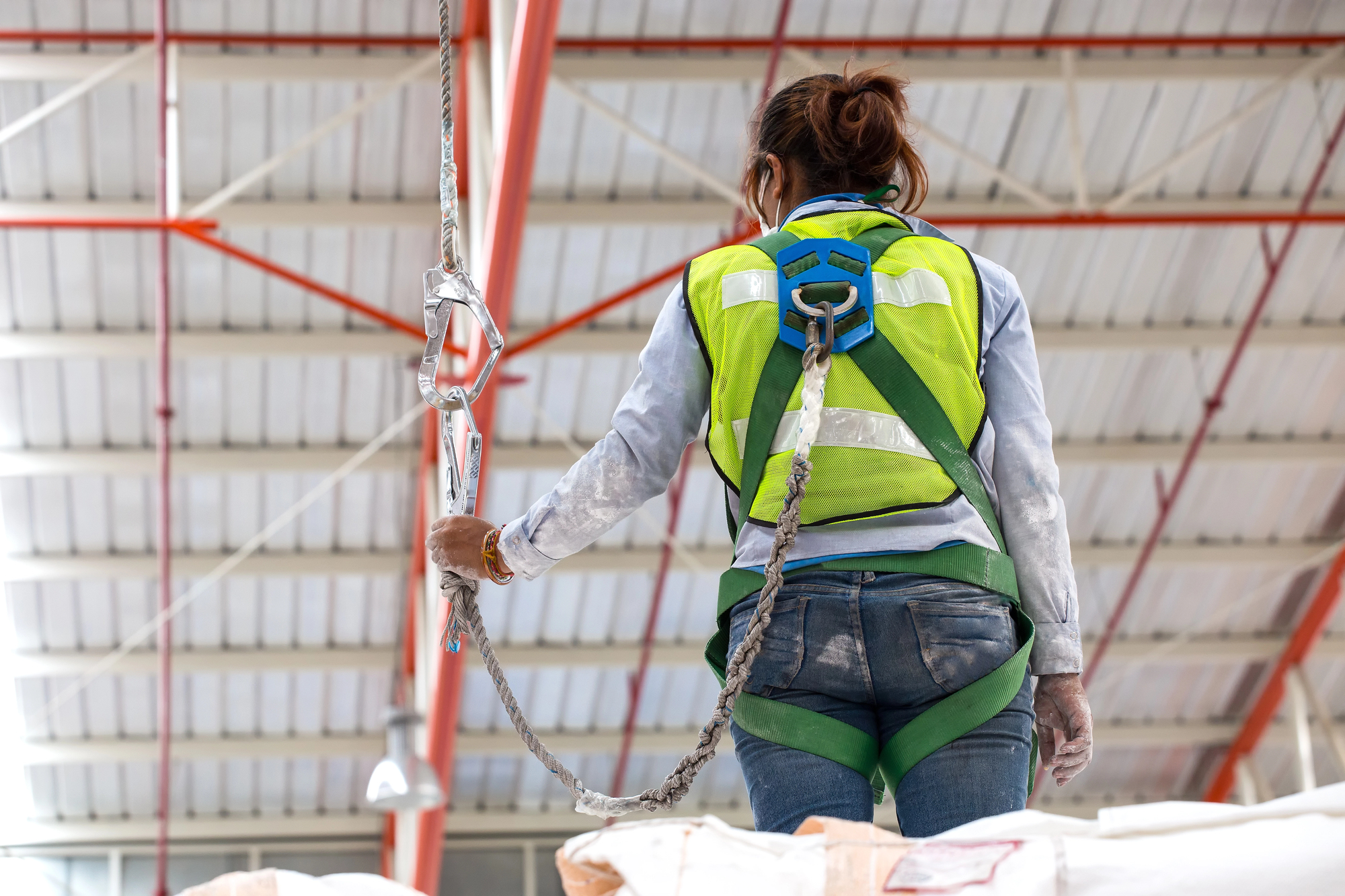
Few safety measures are more important—or more enforced—in construction and industrial work than fall protection. Whether you’re working on lifts, scaffolding, roofs, or I-beams, or installing a commercial roof anchor, fall protection isn’t optional. It’s one of the leading causes of workplace fatalities, and OSHA takes it seriously.
Here’s a breakdown of what you need to know about fall protection rules, the risks involved, and the necessary equipment to stay safe and compliant.
What Is Fall Protection?
Fall protection refers to the equipment and systems used to prevent workers from falling or to minimize the impact if they do. This includes everything from roof anchors and fall arrest perimeter setups to window washing tieback solutions. In many fall protection applications, a competent person is responsible for selecting and maintaining proper fall restraint systems, ensuring any potential leading edge is safeguarded. Typically, these systems are made from durable galvanized steel to stand up to the rigors of the construction industry. There are two main types:
- Fall Prevention – Systems that prevent a fall from happening in the first place (guardrails, covers, safety nets).
- Fall Arrest – Systems that stop a fall after it has begun (harnesses, lanyards, self-retracting lifelines).
The goal is always to keep workers safe without limiting their ability to do the job effectively. Additionally, specialized safety systems, such as guardrail systems or horizontal lifelines, can play a critical role in preventing edge fall incidents.
Why Fall Protection Isn’t Optional
Every year, more than 5,000 workers lose their lives on the job—the construction industry is in situations that could have been prevented through a comprehensive fall protection plan. According to OSHA, while the overall number of workplace deaths is down, construction still leads in serious injuries and fatalities from falls. In 2023, fall protection violations were once again the most cited safety issue on job sites.
The bottom line: Fall protection isn’t a nice-to-have or a “we’ll get around to it” checklist item. It’s a critical part of keeping crews alive, healthy, and able to get the job done right. It’s also a cornerstone of workplace safety and is required fall protection under 29 CFR fall protection guidelines for the occupational safety and health of employees.
When Is Fall Protection Required?
OSHA requires fall protection whenever workers are 6 feet or more above a lower level in construction work, a requirement that applies to tasks involving roof anchors, guardrail systems, and horizontal lifeline setups. Here’s when it’s mandatory:
- Scaffolding: Fall protection is required at heights of 10 feet or more. In these scenarios, installing guardrail systems or a fall restraint system can help protect workers from hazardous edge falls.
- Ladders: When working at heights exceeding 24 feet, personal fall arrest systems must be in place. Additionally, a competent person should evaluate the need for mobile fall protection solutions.
- Roof Work: Protection is required at 6 feet or higher. In many fall protection construction scenarios, a roof anchor or commercial roof anchor installed on a standing seam roof can be critical in maintaining the fall arrest perimeter.
- Steel Erection: Fall protection is generally required at 15 feet or more. This often involves special anchor points made of durable galvanized steel and other safety systems. (link to our anchors section)
- Excavations: Edges of excavations 6 feet deep or more require guardrails or protection if a fall hazard exists. In these cases, a leading edge can pose serious risks, making guardrail systems essential to prevent falls.
Bottom line: If you’re off the ground, assume you need protection—and double-check OSHA regulations for your specific task. This includes tasks like window washing, especially where a window washing tieback is used, or other washing tieback applications that require fall protection.
OSHA Fall Protection Standards
The primary OSHA regulation for fall protection is 29 CFR 1926 Subpart M, often referred to simply as CFR fall protection. Here are its key highlights:
- Guardrails, safety nets, and personal fall arrest systems are acceptable means of protection.
- Fall arrest systems must limit the maximum arresting force on a worker to 1,800 pounds.
- Equipment must be inspected regularly and replaced when damaged.
- Training is mandatory: Workers must know how to properly use their fall protection equipment.
Additionally, a thorough fall protection plan and fall protection training are fundamental to achieving compliance with OSHA standards. This includes training on how to use specialized systems, such as horizontal lifelines or roof anchors, to prevent falls. Failing to comply isn’t cheap. OSHA fines can range from $16,131 per violation to $161,323 for willful or repeated violations. And that’s not counting the real cost—injuries, project delays, and lost trust.
Common Mistakes with Fall Protection (And How to Avoid Them)
Even when fall protection is provided, mistakes happen. Some of the biggest issues we see on job sites are the misapplication of guardrail systems, not utilizing the correct roof anchor for a standing seam roof, or failing to use restraint systems on a leading edge. Other common problems include:
- Wrong equipment for the task (example: using a non-rated anchor point or failing to consider a commercial roof anchor for certain jobs)
- Improper use of harnesses or lanyards (poor fit or wrong connection point)
- Skipping inspections (minor tears or worn-out gear can fail when it matters most)
- Failure to train workers properly (having gear is useless if workers don’t know how to use it)
The fix? Stick to OSHA’s Code of Safety Practices–a strong fall protection program should always include:
- Site-specific fall hazard assessments
- Selection of appropriate fall protection systems
- Training for all employees
- Regular equipment inspections and maintenance
- Proper use of fall arrest, fall restraint, and positioning systems
It also helps to incorporate a robust fall protection plan, including mobile fall protection solutions where needed, and ensure a competent person supervises the correct usage of each system. It’s not just about having gear—it’s about using it right every time.
The Only Fall Protection Equipment You Need
The right fall protection gear isn’t about checking a box—it’s about making sure you can move, work, and stay safe without second-guessing your equipment. For instance, roof anchors fabricated from galvanized steel provide a durable solution for setting up a reliable fall arrest perimeter, while guardrail systems offer an immediate physical barrier against fall hazards. That’s the focus behind the TireSocks Fall Protection line: real protection built for real job sites.
Here’s what you can expect:
- Full-Body Harnesses – 3-point and 5-point options with adjustable fits that don’t shift or bind while you work. These harnesses are essential for tasks involving leading edges, ensuring full support in case of a fall.
- Shock-Absorbing Lanyards – Easy to inspect, easy to adjust, and ready to take the hit if you fall. They pair well with horizontal lifeline setups and can be used in window washing tieback or washing tieback applications.
- Self-Retracting Lifelines (SRLs) – Lightweight, tough, and built with high-strength Dyneema webbing or galvanized cable. These retracting lifelines serve as a key part of many restraint systems and fall arrest setups, ensuring a quick stop to protect workers.
- Anchors and Connectors – Solid solutions for concrete pours, steel beams, and overhead tie-offs. Consider using a commercial roof anchor specifically designed for a standing seam roof, made from durable galvanized steel for longevity.
- Fit for the Field – Sizing from S-M up to 2XL-3XL so every crew member gets the right fit.
- Built to Standards – Every piece meets or beats ANSI and OSHA requirements.
If you’re working at height, this is the gear you want clipped in. Reliable when it counts, comfortable enough to wear all day, and tough enough to take a beating.
Falls are one of the leading causes of serious injuries and deaths on construction sites, and the harsh truth is that most of them are preventable. By implementing proper guardrail systems, roof anchors, body harnesses, and thorough fall protection training, you can significantly lower the risk of injuries. Fall protection isn’t just a formality for compliance—it’s a day-to-day necessity that keeps your crew safe and your projects moving forward. That means having the right equipment for the job, ensuring it fits correctly, and training your team to use it effectively. And never forget that a competent person should always be designated to oversee fall restraint systems for maximum workplace safety.
The risk is the same whether you’re working on scaffolding, setting steel, or doing a quick job on a lift. So is the responsibility. Prioritize training. Inspect your gear. Choose equipment that holds up under pressure.
Find the TireSocks Fall Protection line here–packed with straightforward, reliable solutions designed to meet the demands of real job sites. Stay tuned!