
Safety Starts Here — What You Need to Know About Fall Protection Harnesses

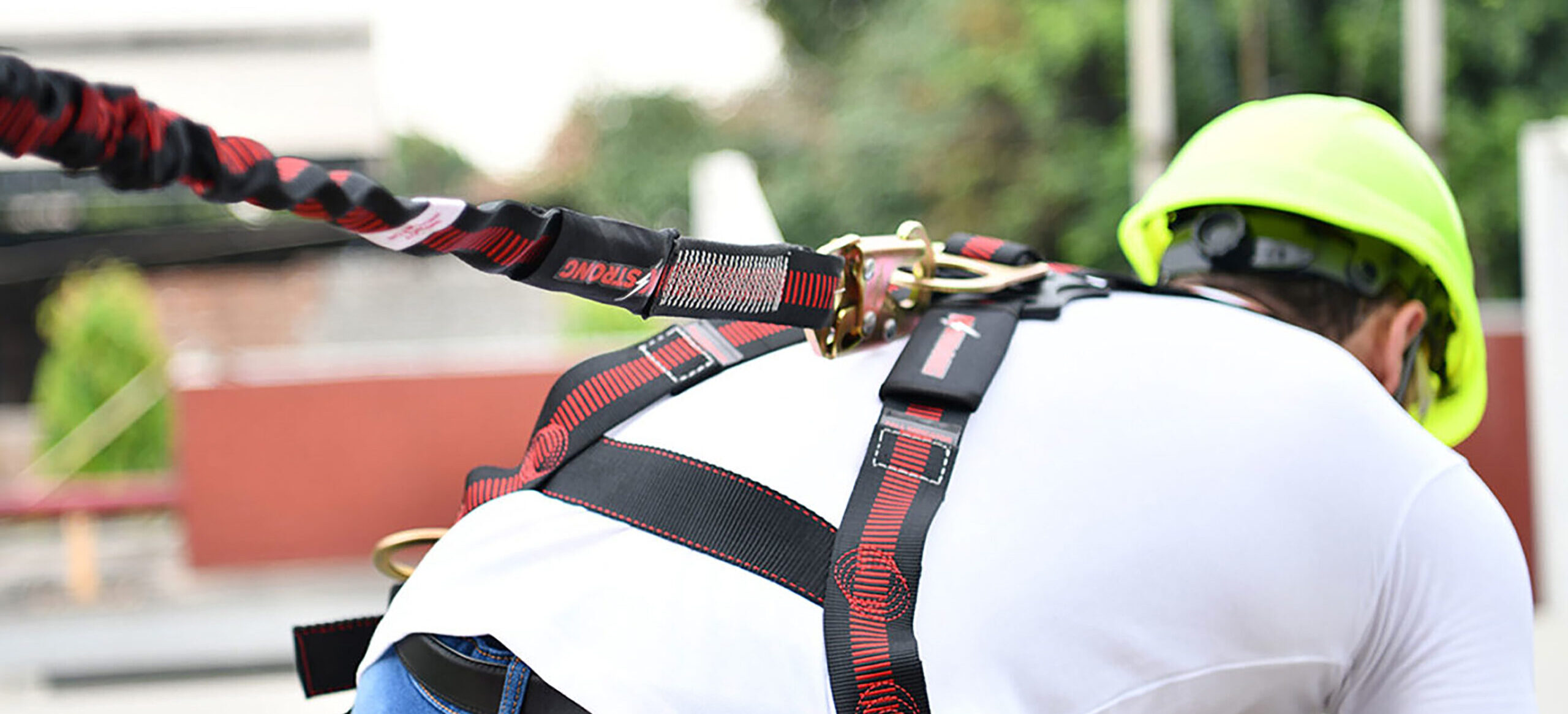
Falls are the top cause of death in construction and the most commonly cited OSHA violation. It’s not because crews don’t care about safety. It’s usually because they’re handed equipment they don’t trust, such as a subpar body harness or safety harness, they haven’t been trained properly, or no one has explained the rules clearly. That changes here.
This guide walks you through why fall protection harnesses matter, what OSHA actually requires, how to avoid common missteps, and what to look for when choosing harness gear that protects your team and keeps jobs moving. Whether you need a construction harness, positioning harness, or fall arrest harness, having the right fall protection body setup is critical for avoiding preventable risks.
Why Harnesses Matter More Than Ever
Falls are still the leading cause of serious injuries and deaths in construction, but there’s progress. According to OSHA’s data, fatal falls investigated by federal OSHA had dropped nearly 20% in one year —from 234 in FY 2023 to 189 in FY 2024—thanks to stronger enforcement and safety initiatives. Even with that improvement, fall protection remains the most-cited OSHA violation year after year, including 2025.
Why? Because crews either aren’t wearing harnesses, don’t know how to use them correctly, or aren’t set up with the right gear for the job. A proper fall protection system—starting with a reliable, well-fitted safety harness or full body harness—isn’t just compliance, it’s life-saving. Adhering to ANSI standards ensures that equipment fall protection meets the necessary structural integrity, whether you’re on a tower climbing project or working in a confined space.
Harnesses work by distributing fall forces across the thighs, chest, shoulders, and pelvis, reducing the risk of injury. When they fit well and are used properly, they also give workers the freedom to move confidently, knowing they’re protected if something goes wrong. In many cases, selecting harnesses and fall protection solutions, such as arc flash harnesses or universal harness options, ensures you can address specialized job hazards.
What OSHA Says About Fall Protection
OSHA requires fall protection for anyone working at 6 feet or more in construction. That applies to scaffolding, ladders, rooftops, I-beams—anywhere a worker can fall. The regulations fall under 29 CFR 1926 Subpart M, which outlines what’s required by law for:
- Personal fall arrest systems (like harnesses and lanyards)
- Guardrails
- Safety nets
- Anchors and tie-off points
And it’s not just about having the right gear—it’s about using it properly. Employers are required to provide fall protection and training on how to use it. Yet despite the real safety, regulatory, and financial risks involved, violating general fall protection regulations was listed by OSHA as the #1 top violation in 2025. By comparison, #2 – hazard communication – was at just 2,546. In fact this same issue shows up twice in OSHA’s top ten violations list – with “failure to adhere to fall protection training requirements” at #6.
That’s thousands of preventable risks and potential accidents every year, often tied to improper use of safety harnesses, body belts, or harness quick-connect systems.
How Training Makes the Difference
Handing someone a harness isn’t enough. They need to know how to put it on, how to adjust it, where to clip in, and what type of fall arrest system they’re working with. For instance, if you’re using a harness tongue buckle, you’ll need to ensure each worker knows how to select or choose options to properly secure leg straps every time.
One study found that when workers were trained to use personal fall protection, injury rates dropped by nearly 20%. That’s fewer accidents, fewer delays, and less downtime. If your crew isn’t trained, they’re at risk—even with all the right equipment. Providing thorough training on harness tongue buckles, mating tongue, and quick connect closures boosts overall fall protection safety.
What to Look For in Fall Protection Harnesses
Not all harnesses are built the same. Cheap gear might check the compliance box, but won’t hold up on tough jobs or fit every body type. Here’s what to look for:
- D-Rings – Look for dorsal (back), side, or front D-rings depending on your work. Side D-rings are great for positioning; dorsal is essential for fall arrest.
- Strap Adjustability – Harnesses need to fit snugly without restricting movement. Leg straps should sit comfortably across the thighs, not ride up or hang loose. A positioning harness relies on proper strap tension to keep workers stable.
- Closure Type – Tongue buckle leg straps offer solid, quick adjustment. Mating buckles are easy to use, especially with gloves. Harness tongue buckle systems can provide a universal harness fit that’s more comfortable for extended wear.
- Comfort Features – Padding, lumbar support, and breathable materials make a huge difference for workers wearing harnesses all day.
- Durability Ratings – Look for gear that meets or exceeds ANSI Z359.11-2014 standards and supports up to 420 lbs, which covers workers plus tools. Checking that your gear includes SRL ft compatibility can also be beneficial for those who need a self-retracting lifeline (SRL).
Fall Protection Options: Harnesses Built for the Field
TireSocks’ harnesses are built for real-world conditions, not just spec sheets. Here’s a breakdown of what’s available:
- Essential 3-Point Harness – Simple, reliable, and ideal for basic fall arrest. Lightweight and built for all-day wear. This is a foundational protection body harness solution for general jobsite use.
- Elite 5-Point Harness – Adds more adjustability and support with tongue buckle legs and strong polyester webbing. It’s a perfect choice if you need a construction harness that can handle rugged conditions.
- 5-Point with Waist Belt & Padding – Includes side D-rings, lumbar support, and grommeted legs for maximum comfort and versatility. This design can also serve as a body belt alternative for workers who need added back support during long shifts.
- Elite with Built-In Lanyard – Combines a 5-point harness with an internal shock-absorbing lanyard and snap hooks to reduce gear bulk without sacrificing safety. This harness’s quick-connect approach eliminates extra components, making it easier to move and work safely on high-risk tasks.
Each harness comes in multiple sizes from S-M to 2XL-3XL, so everyone on the crew gets the right fit.
Quick Tips for Getting Safety Harness Use Right
- Inspect daily. Check webbing, D-rings, and buckles before every use. Look for any damage that could compromise your fall protection equipment, including flash harness or arc flash harness components.
- Train properly. Make sure crews know how to wear, adjust, and clip in. Regular education helps integrate harnessed body belts effectively and safely.
- Replace the damaged gear. Don’t mess around—if it’s frayed or corroded, toss it. No sale price, regular deal can justify using compromised equipment.
- Fit matters. Don’t let anyone “make it work”—order the right size. A universal harness tongue design can help accommodate different body types without sacrificing safety.
- Tie off correctly. Always connect to a proper anchor rated for fall arrest. This is particularly vital for tower climbing and other high-risk tasks where body harnesses play a critical role.
Final Take
Harness safety isn’t about compliance checklists—it’s about sending every worker home at the end of the day. Choosing quality gear, providing training, and enforcing real use on the job is what makes that happen.Explore the new TireSocks Fall Protection line to upgrade your program, or contact us if you need help finding the right setup. Incorporating harness options can make a tangible difference in day-to-day safety.